
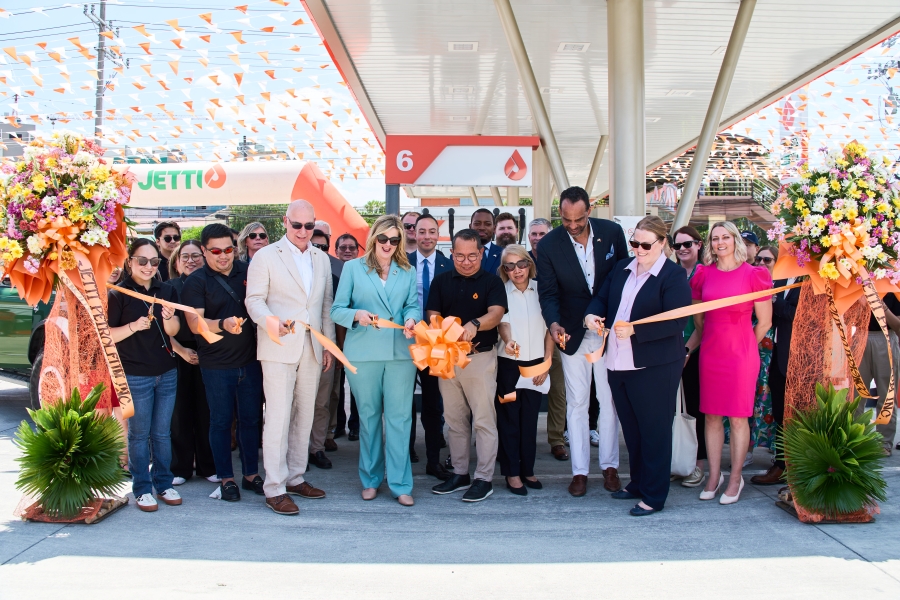
Earlier this month, the U.S. Grains & BioProducts Council (USGBC) and member representatives joined a U.S. Department of Agriculture Agricultural Trade Mission (USDA ATM) to Manila, Philippines to maintain momentum for U.S. exporters in a young, growing economy.
USGBC Chairman Mark Wilson and USGBC Vice Chairman Jay Reiners were joined by USGBC Regional Director for Southeast Asia & Oceania (SEA&O) Caleb Wurth; USGBC Director of Global Ethanol Export Development Alicia Koch; USGBC Regional Ethanol Consultant Kent Yeo; and USGBC Philippines Consultant Marco Sardillo.
Council members from the U.S. ethanol industry also participated, including Eco-Energy Vice President of Global Trade Hagan Rose, Growth Energy Director of Global Policy Emily Marthaler and Renewable Fuels Association Vice President of Government Affairs Ed Hubbard, underscoring USDA’s commitment to strengthening U.S. ethanol producers’ relationships in international markets.
“This ATM is the latest strong message from our partners at USDA that international market development for U.S. agricultural products, particularly ethanol, is a priority the Council is eager to be part of,” Wilson said.
The mission was headlined by the opening of a retail gas station in Manila carrying gasoline blended with 20 percent ethanol (E20), including a speech from USDA Under Secretary for Trade and Foreign Agricultural Affairs Michelle Bekkering and closing remarks from Wilson and Wurth.
The Philippines is the U.S.’ largest ethanol trading partner in Southeast Asia, with more than 101 million gallons of U.S. ethanol exported to the country in 2025. The Philippines E10 mandate, that began in 2013, has delivered a win-win outcome for the U.S.-Philippines economic partnership, and total gasoline demand in the country surpassed two billion gallons for the first time last year.
Ethanol production in the Philippines has increased by nearly 450 percent since the inception of the mandate, and U.S. ethanol now accounts for roughly 45 percent of the country’s total ethanol demand. This mutually beneficial trade relationship, forged through ethanol, helps stimulate further investment in the Philippines domestic ethanol industry, as U.S. ethanol imports help lower the average price of ethanol and gasoline in the country.
The Council’s team met with the Ethanol Producers Association of the Philippines (EPAP) afterward to discuss next steps in expanding E20 access to other regions of the country.
The program also included meetings at the Subic Bay Freeport and the Island Skies Alliance to discuss additional opportunities for ethanol as a transportation and energy industry tool.
“Consumer access to E20 fuel is another significant step forward for the environmental goals of the Philippines and for U.S. ethanol producers in what is already the ninth-largest export market for U.S. grains in all forms,” Wurth said.
“Additional conversations there about the potential for sustainable aviation fuel and marine fuel adoption in the transportation sector show the country’s belief in ethanol’s capabilities.”
Learn more about the Council’s work in the Philippines on the organization’s website.